How to Choose Replacement Windows: Complete Homeowner’s Guide
Jan 30, 2026
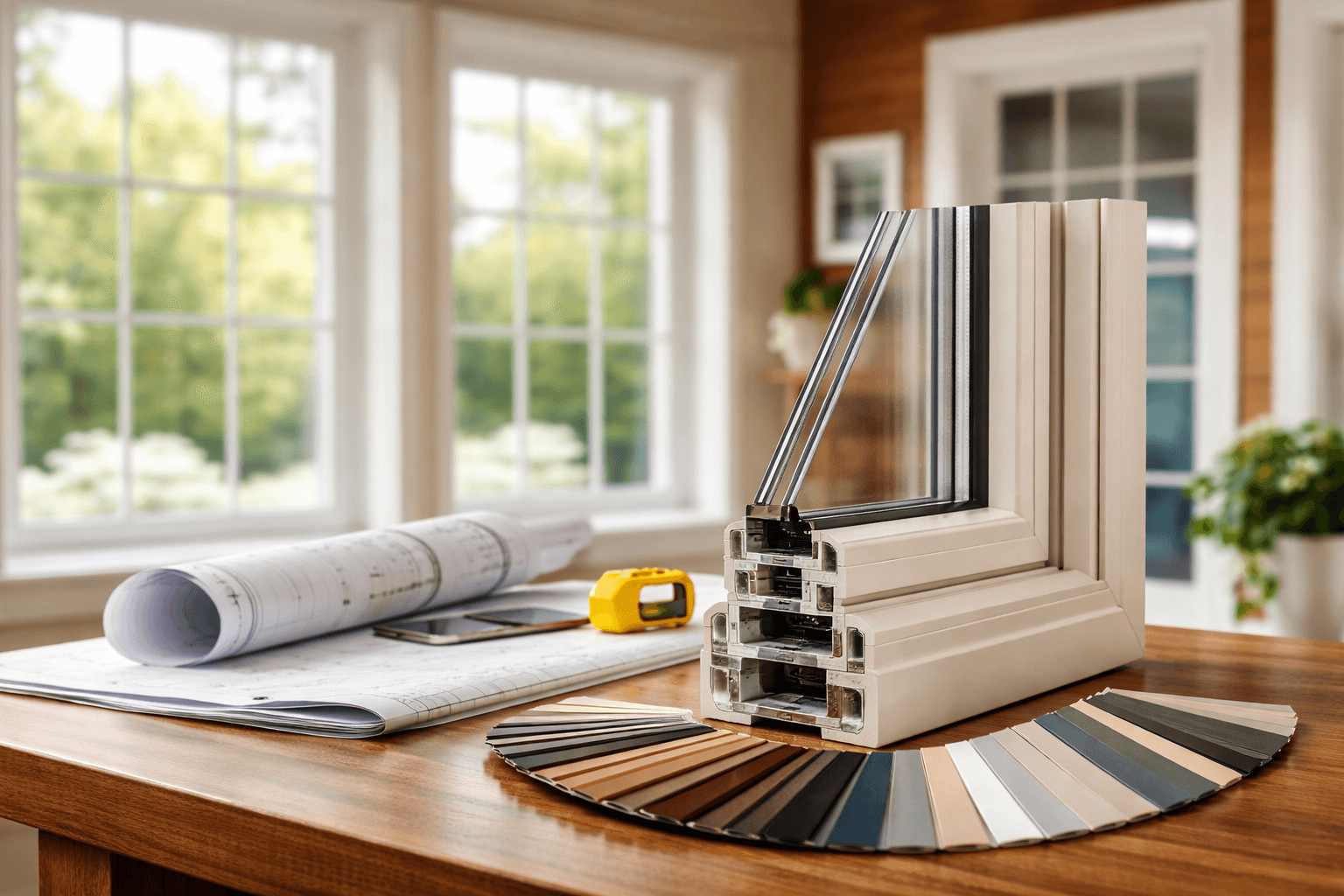
Choosing replacement windows doesn’t have to be complicated. After helping thousands of New Jersey and Pennsylvania homeowners since 1994, we’ve learned that the best window decisions start with understanding what matters most for your home and lifestyle. This guide walks you through everything you need to know to make an informed choice that you’ll be happy with for decades to come.
Start With Your Goals
Before looking at window options, clarify what you want to achieve. This clarity will guide every decision and help you avoid being swayed by features you don’t actually need.
Energy Savings
If reducing heating and cooling costs is your priority, focus on windows with U-factors of 0.30 or lower. Quality double-pane windows can reduce energy costs by 20-30%, saving the average NJ/PA homeowner $360-720 annually. Over the 25-30 year lifespan of your windows, that’s $9,000-21,600 in savings – far more than the initial investment.
Comfort
Eliminating drafts and cold spots requires windows with excellent air infiltration ratings (0.10 or lower) and proper installation. Temperature consistency matters more than most people realize. When you can sit comfortably near your windows even during January cold snaps or July heat waves, you’ve chosen the right windows.
Noise Reduction
If you live near highways, train lines, or busy streets, look for windows with STC ratings of 30 or higher. The right windows can reduce outside noise by 60-70%. Many of our customers in Cherry Hill near Route 70 or Mount Laurel near I-295 report dramatic improvements in their quality of life after replacing old windows with proper noise-reduction options.
Home Value
Window replacement typically recoups 68-70% of its cost in added home value in our region according to Remodeling Magazine’s Cost vs. Value Report. Choose windows that complement your home’s architecture – mismatched styles can actually detract from value rather than add to it.
Low Maintenance
Modern vinyl and composite windows require minimal upkeep – just occasional cleaning and annual hardware checks. If you’re tired of scraping, painting, and maintaining old windows, this should be high on your priority list.
Understanding Window Performance Ratings
Every quality window comes with performance ratings that tell you exactly how it will perform. Learning to read these ratings puts you in control of your decision.
Get Your New Roof Now. $0 Down + No Payments Until 2028 +
Free Roof/Attic Inspection
Recent Posts
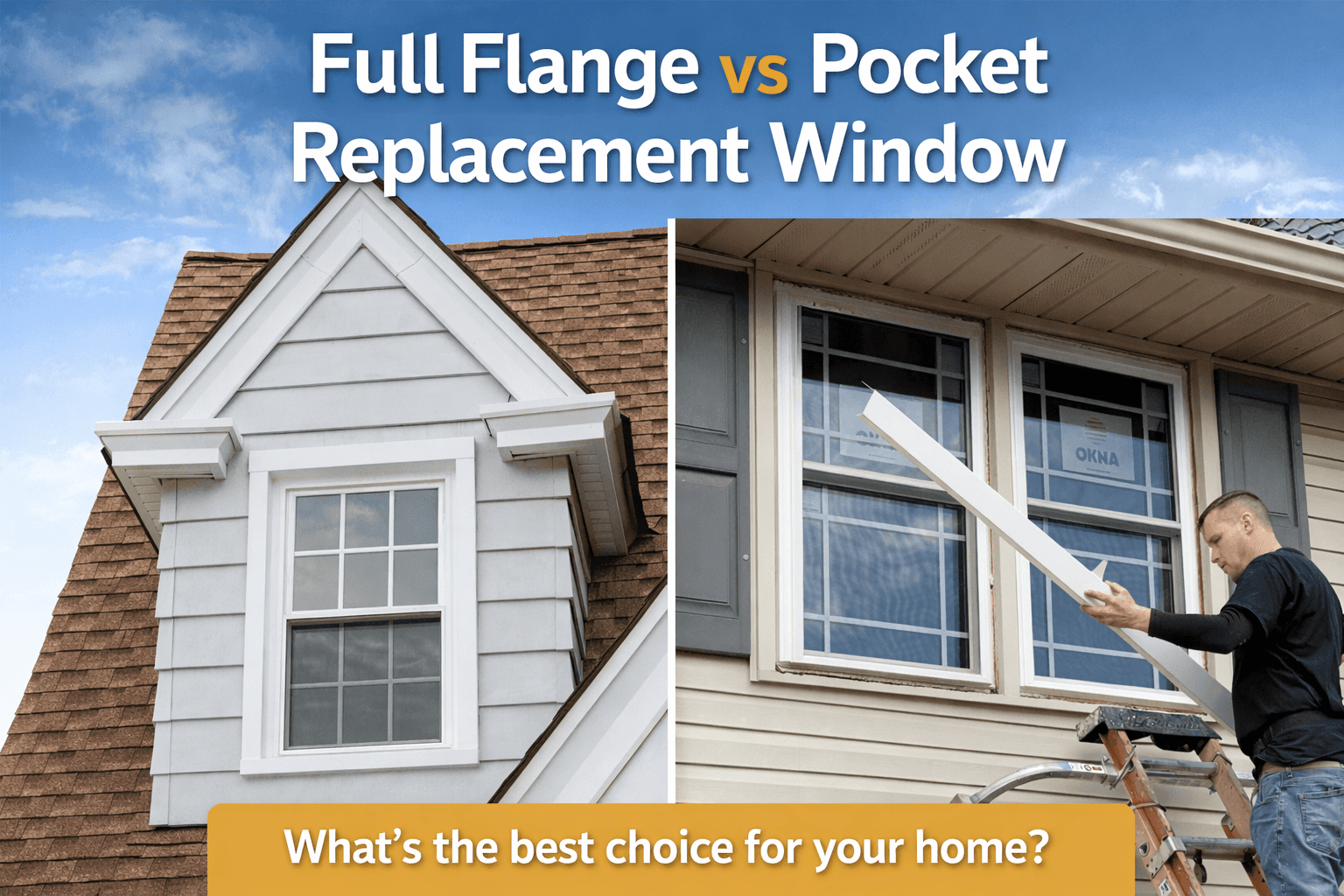
If you’re replacing windows, you’ll almost always hear two terms: full flange (new construction) windows and pocket (insert) replacement windows...
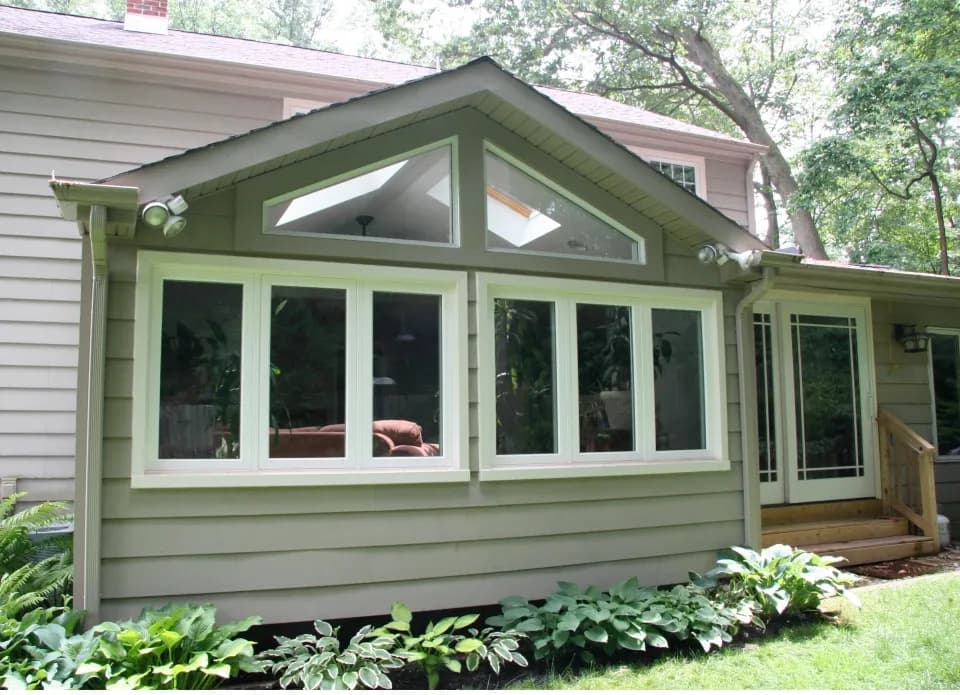
Choosing replacement windows doesn’t have to be complicated.
Contrary to popular belief, winter is an excellent time for significant home upgrades, particularly window and siding replacement...
U-Factor (0.15-0.40)
This measures how well a window prevents heat from escaping. Lower numbers mean better insulation. Look for 0.30 or below for our climate. The difference between 0.30 and 0.27 might seem small, but over a harsh winter, it translates to measurable energy savings and improved comfort.
Solar Heat Gain Coefficient/SHGC (0.25-0.40)
This measures how much solar heat enters your home through the window. For NJ/PA, 0.25-0.30 is ideal – it blocks excessive summer heat while still allowing beneficial winter sun. South-facing windows might benefit from slightly higher SHGC (around 0.30-0.35) to capture warming winter sunlight.
Air Leakage (0.10-0.30)
This measures how much air passes through the window assembly. Lower is better. Premium windows achieve 0.10 or less, meaning virtually no drafts even during high winds. This rating matters more in our windy region than in many other parts of the country.
Visible Transmittance/VT (0.40-0.70)
This measures how much natural light comes through. Higher is better. Look for 0.50 or above for main living areas where you want bright, naturally lit spaces. North-facing rooms might benefit from even higher VT ratings since they receive less direct sunlight.
All quality windows should be ENERGY STAR certified for the Northern climate zone, which includes all of New Jersey and Pennsylvania.
Window Materials: What Really Matters
The frame material affects everything from energy efficiency to maintenance requirements to how long your windows will last.
Vinyl Windows
The most popular choice in our region for good reason. Modern vinyl windows offer excellent energy efficiency thanks to multi-chamber frame designs that create multiple insulating barriers. They require virtually no maintenance – no painting, no staining, no scraping. They resist moisture and rot, which is crucial in our humid summers and wet winters.
Vinyl windows are available in various colors including white, beige, tan, and several grays. However, once you choose a color, you cannot repaint them later. The color is part of the vinyl itself, which also means it won’t chip or peel like painted surfaces.
The multi-chamber construction in quality vinyl frames creates dead air spaces that dramatically improve insulation. Think of it like a double-wall construction – the air trapped between chambers acts as an insulator, preventing heat transfer.
Best for: Most homeowners seeking low-maintenance, energy-efficient windows at a reasonable price point.
Composite/Fiberglass Windows
These represent a premium option with exceptional strength and durability. Composite materials exhibit minimal expansion and contraction even with extreme temperature swings – crucial in our region where temperatures can vary by 100+ degrees between summer and winter.
This stability means composite windows maintain their tight seals and smooth operation year after year. They’re particularly valuable in coastal areas where salt air and moisture create demanding conditions. Composite windows can also be painted, giving you future flexibility in color choices.
The strength-to-weight ratio of composite materials allows for narrower frames, which means more glass area and more natural light. Despite narrower profiles, they’re extremely strong and handle large window sizes better than vinyl.
Best for: Homes exposed to extreme weather, coastal locations, modern architectural designs, and homeowners prioritizing longevity above all else.
Wood Windows
Wood offers traditional beauty that many homeowners love, particularly in historic homes or traditional architectural styles. Wood naturally insulates well, and high-quality wood windows can achieve excellent energy ratings. They can be painted or stained in any color, and they offer complete customization for unusual sizes or historic replication.
However, wood requires commitment. You’ll need to repaint or restain every 4-6 years to maintain weather protection and appearance. Wood can rot if moisture penetrates the finish, and it’s susceptible to insect damage in some situations. The higher initial cost is compounded by ongoing maintenance expenses.
That said, for certain homes – particularly historic properties or high-end custom builds – wood windows are often the right choice or even required by local historic commissions.
Best for: Historic homes, luxury properties, and homeowners who appreciate traditional aesthetics and are committed to regular maintenance.
Window Styles for Different Needs
Choosing the right window style matters for both function and aesthetics. Here’s how to think about each option.
Double-Hung Windows
These are the most common window style in American homes, and they’ve earned that position through versatility and broad appeal. Both the upper and lower sashes slide vertically, and in modern versions, both tilt inward for easy cleaning from inside your home.
Double-hung windows work with virtually any architectural style, from Colonial to Victorian to contemporary. They provide flexible ventilation – you can open just the top, just the bottom, or both. This flexibility is valuable in our climate where you might want different ventilation strategies in different seasons.
The traditional divided-light look (multiple panes of glass) popular in Colonial and Victorian homes is typically achieved with grilles that snap into place on double-hung windows, giving you authentic appearance with modern convenience.
One consideration: because both sashes share the same opening, you can only achieve 50% ventilation even with both sashes fully open. If maximum airflow is critical, casement windows might be better.
Typical cost: $915-1,320 installed
Casement Windows
Casement windows are hinged on one side and swing outward like a door, operated by a crank mechanism. This design creates the tightest possible seal when closed – the window actually presses against the weatherstripping as you crank it shut, creating an excellent air barrier.
When open, casement windows provide 100% ventilation of the window opening, much more than double-hung or sliding styles. The crank operation makes them ideal for hard-to-reach locations like above kitchen sinks or in high positions, since you don’t need to physically reach the window to operate it.
Casement windows suit contemporary and transitional architectural styles particularly well. They can also work in traditional settings when used thoughtfully, often as accent windows or in locations where their functional advantages outweigh style considerations.
One important consideration: casement windows project outward when open, so they’re not ideal next to decks, patios, or walkways where the open window might create an obstruction.
Typical cost: $1,045-1,540 installed
Sliding Windows
Sliding windows operate horizontally on tracks, with one or both sashes sliding to open. They’re simple to operate, require no exterior clearance, and work well in openings that are wider than they are tall.
These windows suit contemporary and ranch-style homes particularly well. They’re also excellent for basement windows where vertical clearance might be limited. The horizontal operation means you don’t need much vertical space to accommodate the window.
Sliding windows work well in areas where you want large glass expanses with minimal frame interruption. Modern sliding windows have come a long way in energy efficiency, though they generally don’t seal quite as tightly as casement windows.
The track system requires occasional cleaning to maintain smooth operation, but this is straightforward maintenance that most homeowners can easily handle.
Typical cost: $915-1,320 installed
Bay & Bow Windows
Bay windows create a dramatic architectural statement by projecting outward from your home’s wall. Traditional bay windows use three windows – a large center window (usually a picture window) flanked by two smaller angled windows (often double-hung or casement). This creates a shelf-like interior space perfect for plants, decorative items, or seating.
Bow windows use four, five, or even six windows arranged in a gentle curve, creating an even more expansive feel and panoramic views. Both styles dramatically increase natural light and make rooms feel substantially larger.
These windows work beautifully in living rooms, dining rooms, and master bedrooms. Many homeowners add a window seat with storage underneath, turning the bay into both a functional and aesthetic feature. The additional interior space – often 12-18 inches of depth – is more valuable than you might expect.
Bay and bow windows do require structural considerations. They need proper support since they project from the wall, and the increased glass area means they have higher heat gain/loss than flat windows. Quality installation with proper insulation and support is absolutely critical.
The investment in bay or bow windows is significant, but the transformation they create in a room often makes them worthwhile for the right application.
Typical cost: $4,900-7,200 (bay), $5,500-9,500 (bow) installed
Picture Windows
Picture windows are large, fixed windows that don’t open. They’re designed to frame a view and maximize natural light. Because they don’t open, they have no moving parts to maintain and achieve the best possible energy efficiency.
The lack of operating mechanisms means picture windows cost less per square foot than operable windows of similar size. They’re often used as the center section of a three-window grouping, flanked by smaller operable windows for ventilation.
Picture windows work beautifully in living rooms with views, dining rooms, and anywhere you want to maximize daylight. They can be quite large – we’ve installed picture windows exceeding 6 feet wide and 5 feet tall – creating stunning focal points.
One critical consideration: building codes require bedroom windows to be operable for emergency egress. Picture windows don’t qualify, so you’ll need at least one operable window in each bedroom.
Typical cost: $915-1,610 installed
Awning Windows
These windows are hinged at the top and open outward from the bottom. While less common than other styles, they excel in specific applications. Because they open outward and upward, you can leave them open even during rain for ventilation – the window itself acts as an awning keeping rain out.
Awning windows work wonderfully in bathrooms, where ventilation is important but privacy concerns might make you want a higher window placement. They’re also excellent above or below other windows, creating attractive combinations while adding ventilation.
The tight seal when closed rivals casement windows, making them energy-efficient choices. They work well in contemporary designs and in any situation where you want ventilation without the full opening of a casement window.
Typical cost: $915-1,420 installed
Glass Options That Matter
The glass in your windows is just as important as the frame, yet it’s often overlooked in the decision-making process.
Double-Pane vs. Triple-Pane
This is one of the most common questions we receive. For most NJ/PA homes, quality double-pane windows provide optimal performance and value. Modern double-pane windows with low-E coatings and gas fills achieve U-factors of 0.25-0.30, which is excellent for our climate.
Triple-pane windows cost 25-35% more and achieve U-factors of 0.15-0.25. The additional insulation helps, but the diminishing returns mean most homeowners recover their investment faster with quality double-pane windows. The extra savings from triple-pane often take 12-15 years to pay back the premium cost.
When does triple-pane make sense? If you’re in an extremely noisy location (right next to a highway), face severe wind exposure, or plan to stay in your home for 20+ years, triple-pane might be worth considering. For most situations, invest in quality double-pane windows and use the savings elsewhere.
Low-E Coatings
Low-E (low-emissivity) glass coatings are microscopically thin metallic layers applied to glass that dramatically improve performance. They work like a selective mirror – allowing visible light through while reflecting infrared heat back toward its source.
In winter, Low-E coatings reflect heat back into your home, reducing heat loss. In summer, they reflect solar heat away, reducing heat gain. They also block up to 99% of UV rays, protecting your furniture, flooring, and artwork from fading.
Low-E coatings should be standard on any window you consider, not an optional upgrade. They improve energy efficiency by 30-50% and pay for themselves many times over through reduced energy costs.
Gas Fills
The space between glass panes is filled with insulating gas rather than air. Argon gas is most common – it’s denser than air, which reduces heat transfer between the panes. Argon provides excellent insulation at reasonable cost and is standard in quality windows.
Krypton gas offers slightly better insulation than argon but costs significantly more. It’s typically used only in very narrow spaces (less than 3/8 inch) where argon doesn’t fit, or in premium triple-pane windows. For most applications, argon delivers excellent value.
Gas fills can slowly leak over many years, though quality windows minimize this. Even if some gas escapes over 20-25 years, the window still performs well – it just gradually approaches the performance of an air-filled window rather than failing completely.
Specialty Glass Options
Laminated Glass
Laminated Glass consists of two layers of glass with a plastic interlayer bonded between them. Originally developed for windshields, laminated glass offers several benefits for home windows:
- Enhanced sound reduction (increases STC rating by 2-4 points)
- Better security (significantly harder to break through)
- UV protection (blocks 99% of UV rays)
- If broken, glass adheres to the interlayer rather than shattering
Consider laminated glass for bedrooms facing busy streets, ground-floor windows in urban areas, or anywhere noise reduction is a priority. The cost premium is typically 15-20% over standard glass, but the noise reduction benefit is immediately noticeable.
Tempered Glass
Tempered Glass is heat-strengthened and required by building code in certain locations for safety reasons – in doors, near doors, in bathrooms, and in large windows close to floors. When broken, it fractures into small, relatively harmless cubes rather than dangerous shards. Most windows requiring tempered glass will automatically include it in your quote.
Obscured or Textured Glass
Obscured or Textured Glass provides privacy while allowing light transmission. Popular in bathrooms and near entryways, these glass options range from subtle textures to heavily obscured patterns. They add minimal cost while solving privacy concerns without sacrificing natural light.
What Quality Manufacturers Offer
After three decades in this business, we’ve learned what separates excellent window manufacturers from mediocre ones. The best manufacturers share these characteristics:
Verified Performance
They submit their windows for independent testing by the National Fenestration Rating Council (NFRC) and meet American Architectural Manufacturers Association (AAMA) standards. These certifications mean the performance ratings you see are verified by third-party testing, not just manufacturer claims.
Comprehensive Warranties
Quality manufacturers back their products with substantial warranties – typically 25 years to lifetime on frames and glass seals. Equally important is what’s covered: glass seal failure, frame integrity, hardware, and finish. The best warranties also transfer to future homeowners, adding to your home’s resale value.
Regional Performance
Windows that work well in Texas or Arizona might not suit New Jersey and Pennsylvania. The best manufacturers test their windows specifically for our climate challenges: freeze-thaw cycles, ice formation, high humidity, and significant temperature swings. Their windows prove themselves year after year in our demanding conditions.
Manufacturing Quality
Superior windows feature fusion-welded corners (not screwed), quality hardware that operates smoothly for decades, excellent weatherstripping that maintains its seal, and proper drainage systems to manage water infiltration.
Product Range
The best manufacturers offer multiple window lines at different price points, extensive style options, and various colors and finishes. This flexibility lets you match your specific needs and budget without compromising on quality.
At Window Place Plus, we’ve carefully selected manufacturers that excel in all these areas. Our window lines include options for every need and budget – from excellent value choices with strong warranties to premium performance products with lifetime coverage. What they all share is proven performance in our challenging Northeast climate.
What Affects Your Project Cost?
Beyond the base window cost, several factors influence your total investment:
Window Size
Larger windows cost more, but not proportionally more. A 36×60 inch window might cost only 30% more than a 30×48 inch window despite having significantly more glass area.
Window Style
Picture windows cost least per square foot. Casement windows typically cost more than double-hung. Bay and bow windows are most expensive due to their complexity and structural requirements.
Second-Story Installation
Windows on upper floors cost more to install due to equipment needs and additional labor time. The premium is typically 15-20% per window.
Structural Repairs
If we discover rotted framing, water damage, or structural issues during removal of old windows, repairs add to project cost. This happens in about 15-20% of projects, typically adding $200-500 per affected window.
Trim and Finish Work
Most installations include standard interior and exterior trim. Custom trim work, special finishes, or matching existing woodwork can add cost but creates a more polished final appearance.
Disposal and Cleanup
Professional installers include removal and disposal of old windows in their pricing. Some lower-priced quotes exclude this, requiring you to handle disposal yourself.
Understanding True Value
The lowest-priced quote isn’t always the best value. Consider these factors:
- Energy Savings: A window costing $200 more but saving $75 annually on energy costs pays for itself in less than three years, then continues saving money for 20+ more years.
- Warranty Coverage: A lifetime warranty versus a 20-year warranty might cost 10-15% more initially but provides peace of mind and protection for decades longer.
- Installation Quality: Professional installation by trained teams costs more than subcontracted work, but it ensures optimal performance and protects your investment.
- Company Reputation: Established companies with decades of local experience cost more than start-ups, but they’ll be there to honor warranties and stand behind their work.
Why Installation Matters More Than You Think
We’ve seen premium windows perform poorly due to improper installation, and mid-range windows perform excellently when installed correctly. Installation quality often matters more than the difference between good and great windows.
What Proper Installation Includes
The installation process should be thorough and systematic:
- Removal and Preparation: Complete removal of old windows and careful disposal. Inspection of rough openings for damage, rot, or structural issues. Any problems discovered should be repaired before new windows are installed.
- Moisture Management: Proper flashing installation is critical. Flashing creates a waterproof barrier that directs water away from the window opening and prevents moisture infiltration into your walls. Improper flashing is one of the most common installation mistakes and can lead to serious problems.
- Shimming and Leveling: Windows must be perfectly level and plumb. Proper shimming ensures the window sits correctly in the opening without stress on the frame. This affects both operation and long-term performance.
- Insulation: The gap between the window frame and rough opening must be properly insulated. We use low-expanding foam that fills gaps without distorting the frame. Too much pressure from expanding foam can actually bend frames and affect operation.
- Sealing: Interior and exterior sealing prevents air infiltration and water penetration. Quality caulking and weatherstripping ensure the window performs as designed.
- Operation Testing: Every window should be opened, closed, and locked multiple times to verify smooth operation and proper sealing. Hardware should be adjusted for optimal performance.
The Window Place Plus Installation Advantage
We take installation seriously because we know it determines whether your investment delivers the promised benefits:
- Factory-Trained Teams: Our installers receive ongoing training directly from window manufacturers. They understand the specific requirements of each window line we install.
- No Subcontractors: Every installation is performed by Window Place Plus employees. This ensures consistent quality and accountability.
- Detailed Process: We follow a systematic installation process that addresses every detail from moisture management to final hardware adjustment.
- Quality Control: Projects are inspected during installation and upon completion. We don’t consider a job finished until every window operates perfectly and meets our quality standards.
- Comprehensive Warranty: We stand behind our installation work with comprehensive labor warranties, separate from the manufacturer’s product warranty.
- Customer Communication: We keep you informed throughout the process, explain what we’re doing, and address any questions or concerns immediately.
Making Your Decision: A Step-by-Step Process
With all this information, here’s how to move forward confidently:
Step 1: Assess Your Current Situation
Walk through your home and note specific problems with each window. Which rooms are uncomfortable? Where do you hear excessive outside noise? Which windows are difficult to operate? This assessment helps prioritize your project and communicate your needs to window professionals.
Step 2: Clarify Your Priorities
Rank what matters most: energy savings, comfort, noise reduction, appearance, low maintenance, or budget constraints. Being clear about priorities helps you evaluate options objectively rather than being swayed by features you don’t really need.
Step 3: Establish Your Budget
Determine both your ideal budget and your maximum budget. This gives you flexibility while keeping the project financially comfortable. Remember to consider financing options if they help you get better windows without strain.
Step 4: Schedule Professional Consultations
Quality window companies offer free, no-obligation consultations. During these meetings:
- Ask about their experience in your area
- Request references from recent projects
- Discuss your specific priorities and concerns
- Get detailed written estimates that break down all costs
- Ask about financing options
- Clarify timeline and installation process
- Review warranty coverage thoroughly
Step 5: Compare Your Options Thoughtfully
Don’t simply choose the lowest price. Compare:
- Window performance specifications
- Warranty coverage
- Installation process and quality
- Company reputation and longevity
- Your comfort level with each company
- Total value, not just initial cost
Step 6: Make Your Decision With Confidence
Choose the combination of product quality, company reputation, and value that best fits your situation. The right choice should feel comfortable financially while meeting your performance needs.
Take the Next Step
Choosing replacement windows is a significant decision, but with the information in this guide, you’re well-equipped to make a choice you’ll be happy with for decades to come.
At Window Place Plus, we believe educated homeowners make the best decisions. That’s why we offer free, no-pressure consultations where we:
- Assess your current windows and specific needs
- Explain all options appropriate for your home and budget
- Provide detailed, transparent pricing with no hidden costs
- Answer all your questions thoroughly
- Help you make the decision that’s right for you – not pressure you toward the most expensive option
We’ve been serving New Jersey and Pennsylvania homeowners since 1994. In three decades, we’ve learned that the best customer relationships start with honest information and continue with quality work. We’d be honored to help you choose and install the perfect windows for your home.
Serving Cherry Hill, Mount Laurel, Marlton, Voorhees, Medford, and communities throughout NJ and PA with pride since 1994.
Ready to start your window replacement project? Schedule your free consultation today.
Frequently Asked Questions
If budget allows, replacing all windows at once is ideal. You get consistent appearance throughout your home, potentially better pricing on larger projects, and immediate benefits everywhere. However, phased replacement works well if you strategically prioritize problem areas. We often recommend starting with north-facing windows (which face the harshest winter conditions), bedrooms (where comfort matters most), and any windows with obvious failures. You can then complete remaining windows as budget allows.
While some homeowners attempt DIY installation, we strongly discourage it. Window installation requires specific skills and experience to achieve proper performance. Improper installation voids manufacturer warranties, can reduce energy efficiency by 30-50%, and may cause moisture problems leading to expensive structural repairs. Professional installation costs are a small percentage of the total project and ensure your investment performs as intended.
This depends on your existing frame condition. Full-frame replacement removes the entire window including the frame, exposing the rough opening for inspection and repair. This is necessary if frames are damaged, rotted, or improperly installed. Insert windows (also called pocket windows) fit into existing frames and work when frames are sound and square. During our consultation, we assess your specific situation and recommend the best approach. Most replacement projects benefit from full-frame replacement.
In NJ/PA, fall (September through November) is ideal – weather is typically cooperative, and you’ll have new windows before winter. However, quality installers like Window Place Plus work year-round. If your windows are currently failing, it’s often better to replace them immediately rather than lose money through another season of high energy bills and poor comfort.
Quality windows from reputable manufacturers typically last 25-30 years or more with minimal maintenance. Some components like weatherstripping or hardware might need attention after 15-20 years, but properly installed windows should perform well for decades. The warranty coverage (20 years to lifetime depending on the window line) provides protection throughout this period.
Yes, significantly. Modern windows with good STC ratings (30+) reduce outside noise by 60-70% compared to old single-pane windows. The improvement is immediately noticeable. For maximum noise reduction in challenging locations, consider laminated glass which adds 2-4 points to the STC rating. We’ve had customers near highways and train lines report life-changing improvements in their home’s peacefulness.
No permits are required for window replacement in most NJ/PA municipalities. This is considered maintenance rather than alteration. However, if you’re changing window sizes or openings, permits may be required. We’ll advise you on any specific requirements during your consultation.
Modern windows require minimal maintenance. Clean glass and frames occasionally with mild soap and water. Vacuum or wipe weatherstripping annually. Lubricate moving parts with silicone spray once per year. Check drainage weep holes (small holes at the bottom of the frame) annually to ensure they’re not blocked. That’s essentially it. Vinyl and composite windows never need painting or refinishing.
Absolutely. Modern windows can replicate traditional appearances while providing contemporary performance. Grille patterns can match original divided-light windows. Frame profiles can match historic styles. Colors can complement your home’s architecture. During your consultation, bring photos of your current windows or describe the look you want to maintain. We’ll show you options that preserve your home’s character while dramatically improving performance.
What Our Customers Are Saying
Great service and excellent pricing. Windows are great and look fantastic. I could not recommend more. If you need a painless experience without pushy salesman or prices that are astronomical, window place plus is your best choice!
Window Place Plus replaced our front door and did a great job. They were great to work with from the sales process to the install. Both our sales person, Jeff; PM, Rob; and installer, Tom were all awesome and incredibly helpful, communicative and friendly. I'll definitely be using them again in the future when we're ready to replace our siding and windows.
They did a great job. Highly recommend them they did exactly what they said they would plus Lifetime warranty on the window. You can’t beat that. I’ll definitely use them again for other windows in the future!
Jackie and Sergio were an absolute pleasure to work with. Their representative was very informative and the windows they install are beautiful and efficient! 5 stars
Thrilled with our new front door from The Window Place Plus. Tomasz was very helpful in selecting the perfect front door for our home. The choices Provia provides is unmatched and I couldn’t be more pleased with the install. I wanted to preserve our original 100 year old side lights and trim and they were able to install our new door no problem.
Had all windows in house replaced. It was a great experience from start to finish. Sales man was very knowledgeable, the windows were installed perfectly. The work crew knew what they were doing and it showed. They were responsive to any concerns I had and I am very happy with the results
Wonderful experience with The window place plus from beginning to end. It’s hard to find reliable contractors that show up and stay informative. The team was great!!! Would recommend them to everyone who is looking for window installation.




Visit Our Team
Mon-Fri: 8am – 8pm
Sat-Sun: 9am – 5pm