Dangers of Improper Door Installation in New Jersey Homes
Sep 24, 2024
Introduction
Homeowners in the Northeast face unique challenges when it comes to door installation. From the coastal areas of New Jersey to the urban centers of New York, the diverse climate and architectural styles of the Northeast demand precision in home improvements. This comprehensive guide explores the often-overlooked dangers of improper door installation and provides expert insights to protect your Northeast home.
Compromised Energy Efficiency: A Critical Issue in the Northeast
Best practices for ensuring energy efficiency in door installation for homes in New Jersey, Pennsylvania, and New York go beyond simply choosing Energy Star certified products. While Energy Star certification is an excellent starting point, homeowners in these states should consider additional factors specific to their diverse climate challenges and architectural styles.
Climate-Specific Considerations:
- New Jersey – With its coastal areas and inland regions, NJ faces a variety of climate challenges. For coastal homes in areas like Atlantic City or Cape May, look for doors with enhanced moisture resistance and corrosion-resistant hardware to withstand salt air. In northern NJ, where winters can be harsh, prioritize doors with excellent insulation properties.
- Pennsylvania – The state’s diverse geography, from Philadelphia’s urban heat island to the Pocono Mountains’ cold winters, requires adaptable solutions. In urban areas, consider doors with reflective coatings to reduce heat absorption. For mountainous regions, focus on doors with superior insulation and airtight seals.
- New York – From NYC’s urban environment to the Adirondacks’ extreme winters, NY demands versatile door solutions. In NYC, noise reduction properties are as important as energy efficiency. For upstate areas, doors must withstand heavy snow loads and extreme temperature fluctuations.
Ensuring Proper Fit and Insulation:
Proper fit is critical across all three states. This means:
- No visible gaps around the door frame.
- Using appropriate weatherstripping that remains flexible in cold temperatures. Silicone or EPDM rubber are excellent choices for the tri-state area’s freeze-thaw cycles.
- Installing adjustable thresholds to accommodate seasonal changes in door alignment, particularly important in older homes common in Philadelphia, Newark, or Buffalo.
Get Your New Roof Now. $0 Down + No Payments Until 2028 +
Free Roof/Attic Inspection
Recent Posts
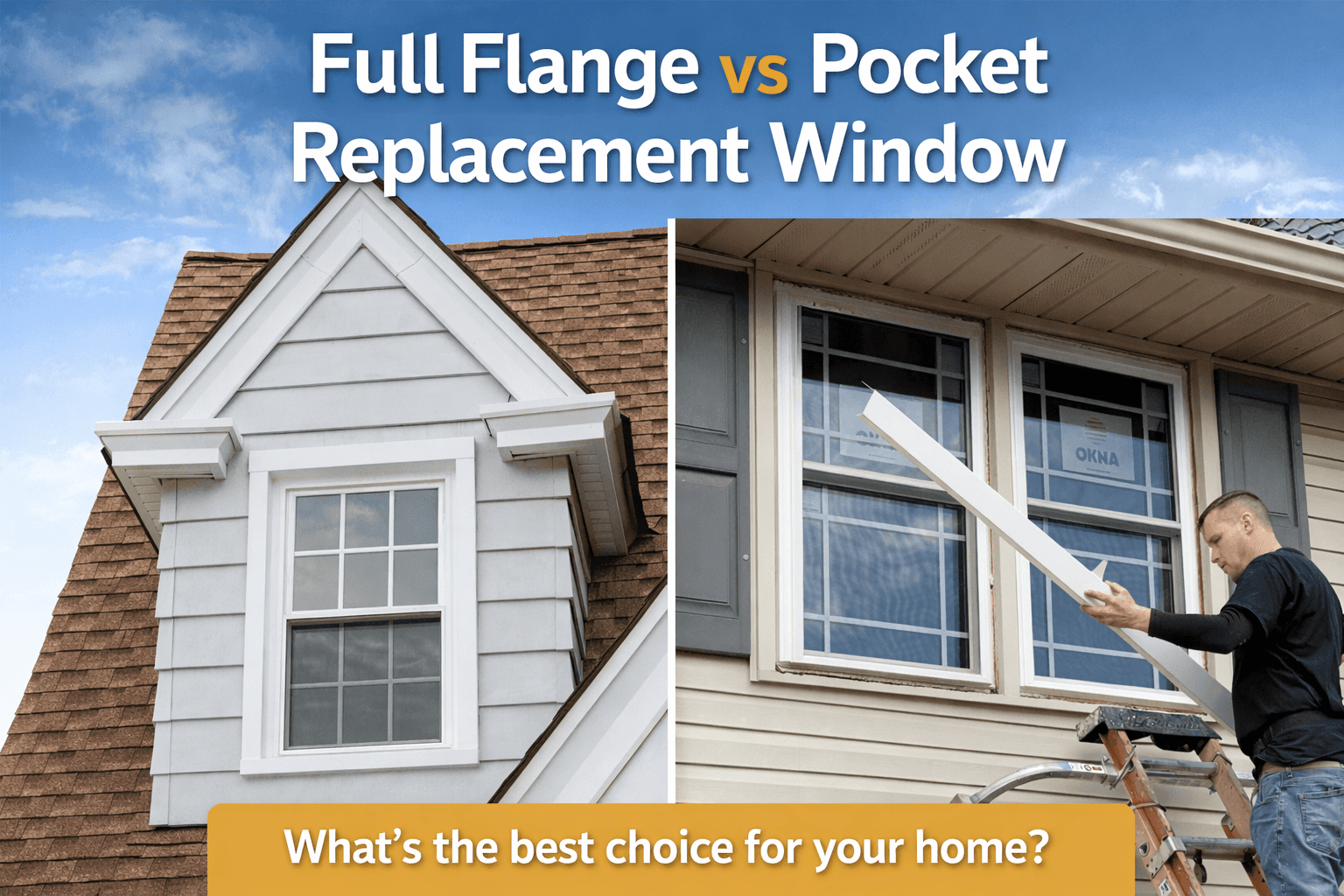
If you’re replacing windows, you’ll almost always hear two terms: full flange (new construction) windows and pocket (insert) replacement windows...
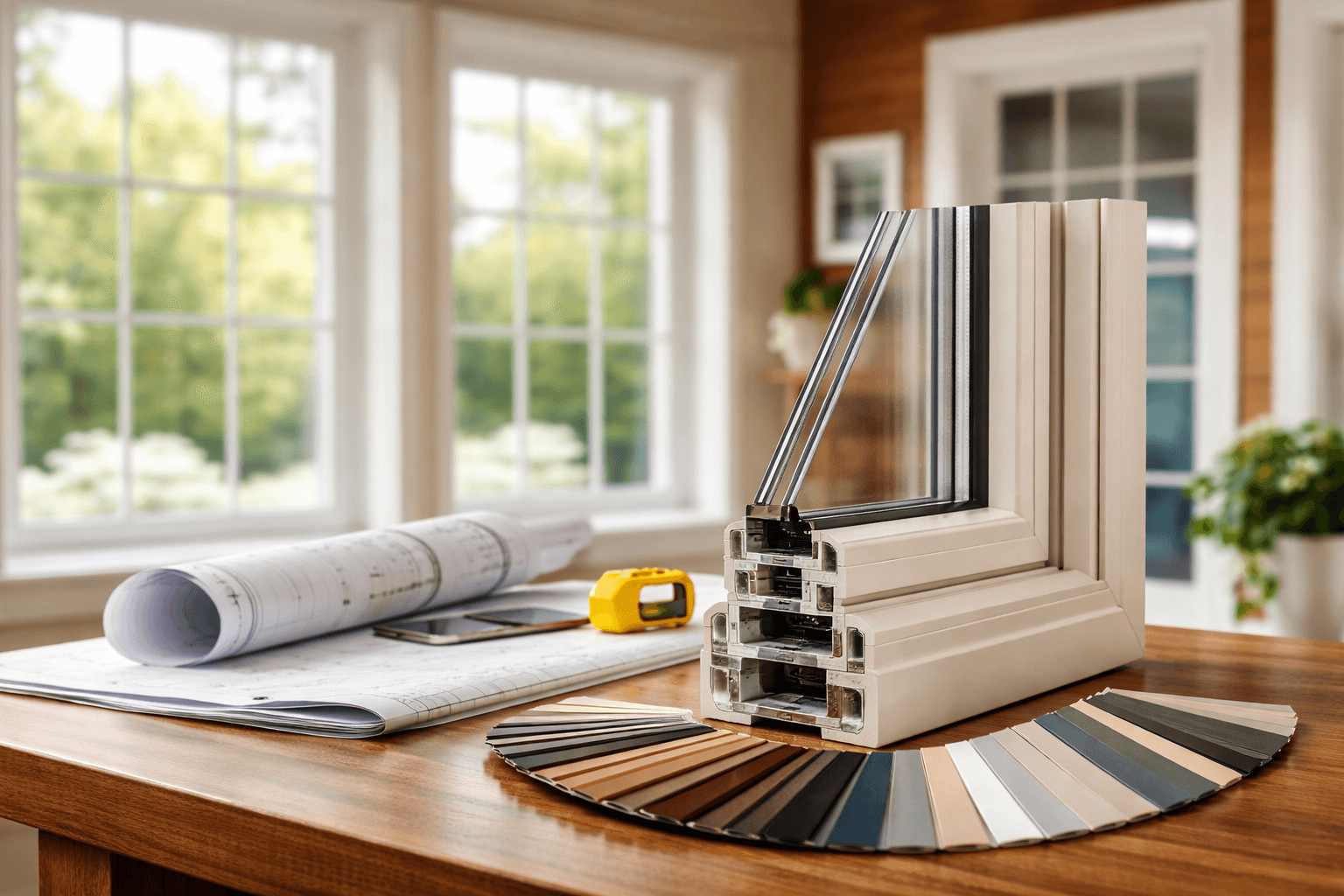
Choosing replacement windows doesn’t have to be complicated.
Contrary to popular belief, winter is an excellent time for significant home upgrades, particularly window and siding replacement...
Additional Best Practices:
- Use expanding foam insulation around the door frame to fill any voids and prevent air leakage. This is particularly crucial in older homes in historic districts of PA and NY.
- Install a door sweep that makes full contact with the threshold to prevent drafts. In areas prone to heavy rain or snow, like upstate NY, consider a dual-fin door sweep for extra protection.
- For double doors or French doors, common in upscale NJ suburbs or PA’s Main Line, ensure that astragals (the strips where the doors meet) provide a tight seal.
- In historic homes, abundant in all three states, consider custom storm doors that add an extra layer of insulation without compromising the original door’s aesthetic.
- For urban apartments in NYC or Philadelphia, soundproof doors can provide both energy efficiency and noise reduction.
1. Questions to Ask Your Contractor:
When hiring a contractor in NJ, PA, or NY, ask about their experience with energy-efficient installations specific to your local climate. Consider the following questions:
- “What type of weatherstripping do you recommend for our specific location?” (e.g., salt-resistant for NJ coast, extreme cold-resistant for upstate NY)
- “How do you ensure the door is properly insulated for our climate zone?” (Contractors should be familiar with the specific R-value requirements for your area)
- “What experience do you have with installing energy-efficient doors in [your specific type of home]?” (e.g., brownstones in Brooklyn, Victorian homes in PA, or modern condos in NJ)
- “Are you familiar with local building codes and energy efficiency standards?” (Each state and many municipalities have specific requirements)
- “How do you address potential issues with the existing frame in older homes?” (Particularly relevant in historic areas of Philadelphia, Newark, or Albany)
- “What measures do you take to prevent thermal bridging around the door frame?” (This is crucial for maximizing energy efficiency)
- “Can you provide references for similar installations you’ve done in our area?” (Look for experience in your specific region and home type)
By focusing on these best practices and asking informed questions, homeowners in NJ, PA, and NY can ensure their door installations not only meet but exceed energy efficiency standards, leading to improved comfort and reduced energy costs in the face of the tri-state area’s diverse climate challenges.
2. Security Vulnerabilities: Protecting Against Regional Crime Patterns
A poorly installed door is an invitation to intruders, compromising your home’s safety. This is particularly concerning in diverse Northeastern communities.
State-Specific Considerations:
- New Jersey: In urban areas like Newark or Jersey City, focus on high-security doors with multi-point locking systems. For suburban areas in Bergen or Monmouth counties, balance security with aesthetic appeal.
- Pennsylvania: Philadelphia requires robust urban security measures, while suburban areas like the Main Line may prioritize elegant security solutions. Rural areas in central PA might focus on durability against forced entry.
- New York: NYC demands top-tier security features, including smart locks and reinforced frames. Suburban areas in Westchester or Long Island balance security with style, while upstate regions might prioritize durability against harsh weather alongside security.
Best Practices:
- Install high-security strike plates with 3-inch screws that anchor into the door frame.
- Opt for doors with reinforced edges to prevent splitting under force.
- In urban areas, consider doors with laminated glass or security film on windows.
- For suburban homes, implement smart lock systems that integrate with home security.
- In rural areas, ensure doors have deadbolts separate from the handle lock.
Questions for Your Contractor:
- “What security features do you recommend for our specific neighborhood?”
- “How do you reinforce the door frame to prevent forced entry?”
- “Are you experienced in installing smart lock systems that comply with local building codes?”
- “What type of hinges do you use to prevent door kick-ins?”
- “How do you ensure the security features don’t compromise the door’s energy efficiency?”
3. Water Damage and Structural Issues: Battling Northeast Weather
The tri-state area experiences diverse weather conditions, from coastal storms in NJ to lake-effect snow in upstate NY.
State-Specific Considerations:
- New Jersey: Coastal areas need corrosion-resistant materials and superior water sealing. Inland areas should focus on heat resistance for summers and insulation for winters.
- Pennsylvania: Eastern PA should prepare for humid summers and occasional hurricanes, while western PA needs to withstand heavy snow loads and freeze-thaw cycles.
- New York: NYC and Long Island require hurricane-resistant features, while upstate areas need extreme cold and snow protection.
Best Practices:
- Use fiberglass or steel doors in coastal areas for better moisture resistance.
- Install proper flashing and sealants around the door frame to prevent water intrusion.
- Choose doors with low-expansion foam insulation for areas with extreme temperature fluctuations.
- In snowy regions, install doors with good insulation and weatherstripping that remains flexible in cold temperatures.
Questions for Your Contractor:
- “What materials do you recommend for our local weather conditions?”
- “How do you ensure the door installation prevents water infiltration?”
- “What type of weatherstripping works best in our climate?”
- “How do you account for ground settling in your installation process?”
4. Voided Warranties and Insurance Issues: A Financial Risk
Many Northeast homeowners don’t realize that DIY or improper professional installation can void warranties and complicate insurance claims.
State-Specific Considerations:
- New Jersey: The state’s consumer protection laws are stringent, but homeowners must still be vigilant. The NJ Division of Consumer Affairs handles complaints related to home improvement contracts, including door installations.
- Pennsylvania: The Home Improvement Consumer Protection Act requires contractors to register with the state, which can affect warranty validity if using an unregistered installer.
- New York: The state’s Home Improvement Contracts Law provides some protections, but homeowners should still be aware of potential warranty issues.
Warranty Concerns:
- Many major door manufacturers have distribution centers in the tri-state area. However, their warranties often become void if the door is not installed by a certified professional.
- DIY installations or using non-certified contractors can immediately void manufacturer warranties, leaving homeowners responsible for any defects or issues.
Insurance Implications:
- In areas prone to severe weather, such as coastal New Jersey or lake-effect snow regions in New York, improperly installed doors can lead to water damage or break-ins that may not be covered by homeowners’ insurance.
- Some insurance companies in the tri-state area offer discounts for homes with certified security door installations, which can be lost if not properly documented.
Best Practices:
- Always use certified, licensed contractors for door installations. In PA, check the contractor’s registration with the Attorney General’s office.
- Keep detailed records of the installation process, including photos and receipts.
- Understand the specific terms of your door’s warranty and your homeowner’s insurance policy.
- Consider additional insurance riders for high-value or custom doors, especially in historic homes common in Philadelphia or Brooklyn.
Questions for Your Contractor:
- “Are you certified by the door manufacturer to install this specific product?”
- “How does your installation process ensure the warranty remains valid?”
- “Can you provide documentation for my insurance company to prove professional installation?”
- “Are you registered with the state as required by law?” (Especially important in PA)
5. Reduced Home Value: Impact on Northeast Real Estate
In the Northeast’s competitive and diverse real estate market, proper door installation can significantly impact home value.
State-Specific Considerations:
- New Jersey: In affluent areas like Short Hills or Alpine, high-end door installations can be a key selling point. In shore communities, storm-resistant doors are often expected.
- Pennsylvania: Historic districts in Philadelphia or Lancaster place a premium on period-appropriate doors. In suburban areas like the Main Line, security features are highly valued.
- New York: NYC apartments often require specialized soundproof doors to maintain value. In upstate areas, energy-efficient doors are increasingly important for home valuations.
Impact on Home Value:
- According to real estate data, homes in the tri-state area with updated, energy-efficient entry doors can see a 1-4% increase in value compared to homes with older, less efficient doors.
- In luxury markets like Westchester County, NY or Bergen County, NJ, custom door installations can recoup up to 90% of their cost at resale.
- Poorly installed or inappropriate doors can decrease a home’s value by 5-15%, especially in historic districts or high-end neighborhoods.
Curb Appeal Factors:
- In suburban NJ and PA, front door appearance significantly influences buyers’ first impressions.
- For NYC brownstones or Philadelphia row homes, historically accurate doors can be a major selling point.
- In upstate NY or rural PA, durable, weather-resistant doors are often more valued than purely aesthetic choices.
Best Practices:
- Choose door styles that complement your home’s architecture, especially important in historic areas.
- Invest in energy-efficient doors, which are increasingly valued in all three states.
- For high-end properties, consider custom door installations that enhance the home’s unique character.
- In urban areas, prioritize doors with good sound insulation and security features.
Questions for Your Realtor or Appraiser:
- “How much value can a new, energy-efficient front door add to homes in our neighborhood?”
- “What door styles are most popular among buyers in our area?”
- “How important are security features in door installations for our local market?”
- “For historic homes, how much does an authentic or period-appropriate door impact value?”
6. Health and Safety Risks: Beyond Security and Energy
Improperly installed doors can pose unexpected health and safety risks to Northeast residents.
Air Quality Concerns
- Poor door seals can allow in outdoor pollutants, a significant issue in urban areas like New York City or industrial zones in Pennsylvania.
- In rural New England, improperly sealed doors can let in pollen and other allergens, exacerbating respiratory issues.
Fire Safety
- Doors that don’t close properly due to poor installation can compromise a home’s fire safety plan.
- This is particularly crucial in multi-story homes common in Northeast cities and older New England towns.
Injury Risks
- Doors that stick or swing improperly due to installation issues can cause injuries, especially to children and elderly residents.
- In areas with heavy seasonal temperature changes, like Vermont, improperly installed doors can warp and become hazardous.
How to Ensure Proper Door Installation in Northeast Homes
- Hire Certified Professionals: Look for contractors certified by the American Window and Door Institute (AWDI) or similar organizations with experience in Northeast climates.
- Check Local Regulations: Ensure installations meet state-specific building codes, which can vary significantly from Maine to Pennsylvania.
- Use Quality Materials: Invest in doors suited for Northeast climate extremes, such as fiberglass for coastal areas or insulated steel for urban regions.
- Regular Inspections: Schedule biannual door inspections, ideally before winter and after spring thaw.
- Consider Regional Factors: Choose door styles and materials that complement your specific Northeast location, from Cape Cod cottages to Philadelphia row homes.
Conclusion
Proper door installation is not just about aesthetics; it’s a crucial aspect of home safety, efficiency, and value, especially in the Northeast’s diverse and challenging environmental conditions. By understanding these hidden dangers and taking appropriate measures, homeowners can protect their investment and ensure their peace of mind, whether they’re in a bustling city apartment or a quiet country home.
Dont Compromise Your Home
Don’t let improper door installation compromise your Northeast home. Contact us today for a professional assessment and ensure your doors are installed to meet the highest standards of safety, efficiency, and quality, tailored to your specific location in the Northeast.
Get Your Free Door Installation Assessment
Sources
Frequently Asked Questions
Typically, every 15-25 years, but more frequently in coastal areas due to salt air exposure. Biannual inspections can help determine when replacement is necessary, especially after harsh winters.
While DIY is possible, professional installation is strongly recommended due to the Northeast’s specific climate challenges and varying building codes. Improper installation can lead to significant issues, especially in extreme weather conditions.
On average, $350-$1,200 per door, depending on the door type, location, and complexity. Costs may be higher in urban areas like Boston or New York. However, consider this an investment in energy efficiency, security, and home value.
Yes. Fiberglass doors are excellent for coastal areas due to their resistance to warping and corrosion. For inland areas, insulated steel doors offer good security and energy efficiency. In historic districts, wood doors with modern weatherproofing can maintain authenticity while providing good performance.
Look for signs like drafts, difficulty in opening or closing, visible gaps, or water stains around the frame. Also, check for frost or condensation on the interior of the door during cold months. A professional energy audit can reveal installation issues specific to your Northeast location.
What Our Customers Are Saying
Great service and excellent pricing. Windows are great and look fantastic. I could not recommend more. If you need a painless experience without pushy salesman or prices that are astronomical, window place plus is your best choice!
Window Place Plus replaced our front door and did a great job. They were great to work with from the sales process to the install. Both our sales person, Jeff; PM, Rob; and installer, Tom were all awesome and incredibly helpful, communicative and friendly. I'll definitely be using them again in the future when we're ready to replace our siding and windows.
They did a great job. Highly recommend them they did exactly what they said they would plus Lifetime warranty on the window. You can’t beat that. I’ll definitely use them again for other windows in the future!
Jackie and Sergio were an absolute pleasure to work with. Their representative was very informative and the windows they install are beautiful and efficient! 5 stars
Thrilled with our new front door from The Window Place Plus. Tomasz was very helpful in selecting the perfect front door for our home. The choices Provia provides is unmatched and I couldn’t be more pleased with the install. I wanted to preserve our original 100 year old side lights and trim and they were able to install our new door no problem.
Had all windows in house replaced. It was a great experience from start to finish. Sales man was very knowledgeable, the windows were installed perfectly. The work crew knew what they were doing and it showed. They were responsive to any concerns I had and I am very happy with the results
Wonderful experience with The window place plus from beginning to end. It’s hard to find reliable contractors that show up and stay informative. The team was great!!! Would recommend them to everyone who is looking for window installation.



Visit Our Team
Mon-Fri: 8am – 8pm
Sat-Sun: 9am – 5pm